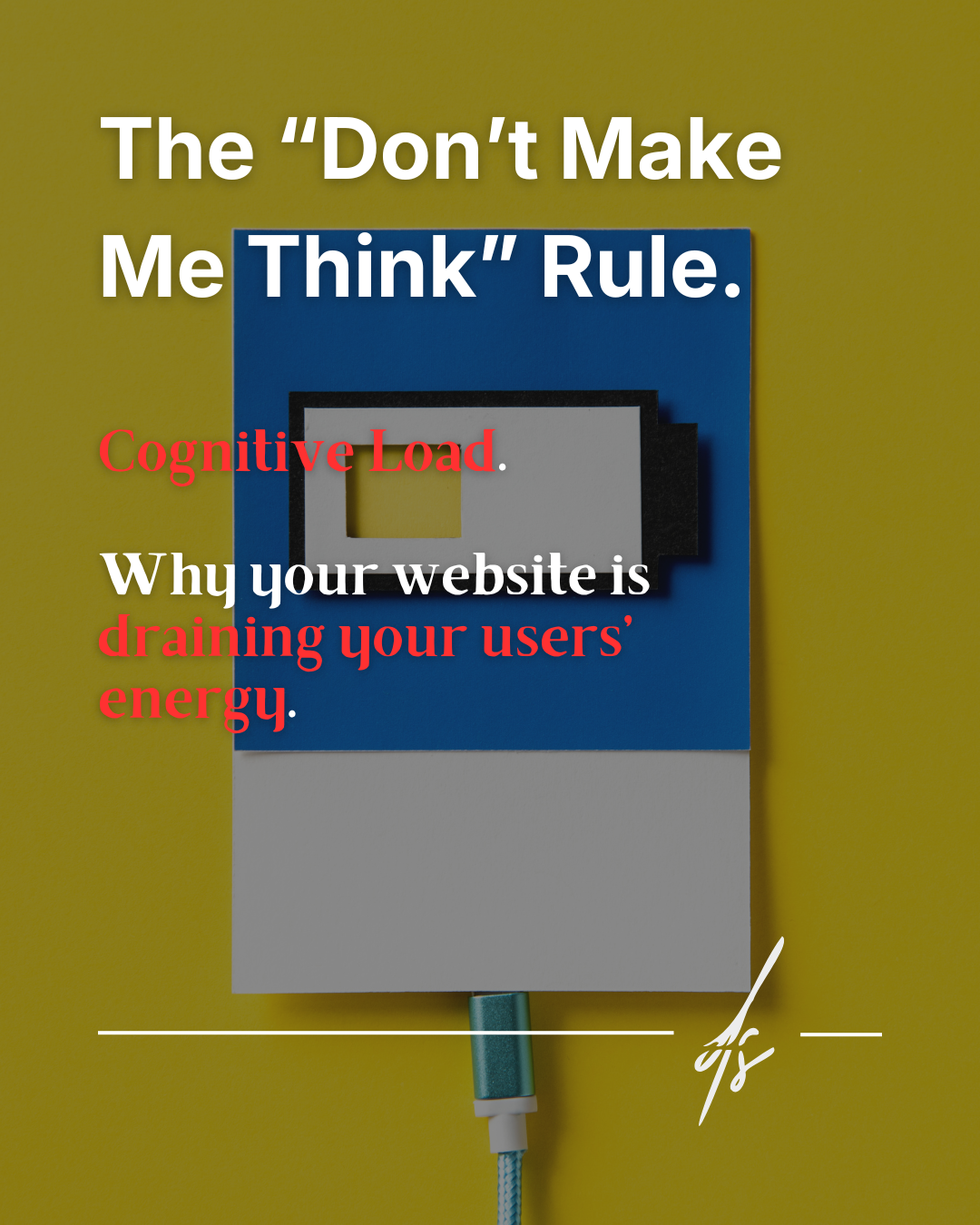
"I want a super simple site, just one button that does everything automatically, without asking for too much data. Since it's so simple and clean, it will be very cheap to develop, right?"
This is perhaps the phrase I have heard most often during initial client briefs. Spoiler alert: creating something "extremely simple" for the end user is, paradoxically, the most technically complex (and expensive) thing a design and development team can do.
Behind a clean, intuitive, and frictionless interface hides a golden rule of software engineering and UX: Tesler's Law, also known as the Law of Conservation of Complexity.
Complexity is not destroyed, it is transferred
Larry Tesler, a famous computer scientist (inventor of copy-paste, among other things), argued that simplicity always has a hidden price. Here is how his principle works in 3 fundamental steps.
1. The principle of the fixed quota
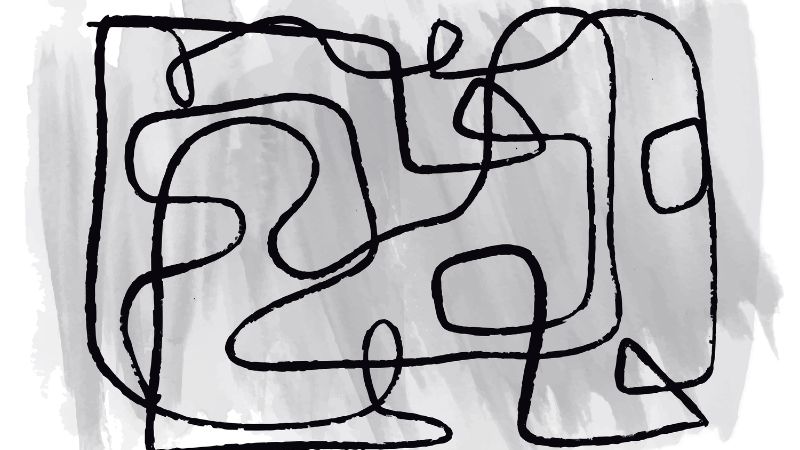
Every digital product or process (like booking a flight or buying a product), in order to function properly, has a "fixed" and intrinsic quota of structural complexity. This complexity cannot be magically eliminated with the magic wand of design: it simply exists. It must be managed.
2. The transfer of the burden
The game of Web Design comes down to a single, crucial decision: who takes on this complexity? You either decide to unload it onto the user — forcing them to fill out endless forms, read instruction manuals, remember passwords, or do mental math — or you decide to absorb it yourself, within the system.
3. The visual deception of Big Tech
Companies like Apple, Google, or Amazon have accustomed us to products that do incredible things with a single, very trivial "tap" on the screen. But behind that very clean and elegant button are highly powerful servers, decision trees, conditional rules, and thousands of lines of code written by teams of engineers who have literally "sweated" to hide all that algorithmic effort from the eyes of the end user.

True elegance is invisible
An important detail to remember: when you ask a web professional to "simplify the navigation flow", you are not asking them to work less. You are literally asking them to take the cognitive and operational burden of your potential customer and carry it on their own shoulders, solving it for them through design and code.
This is the essence of true elegance in design: making things that are technically very difficult to operate seem natural, obvious, and very easy.