Everyone thinks that the stratospheric success of a digital product depends exclusively on the power of the underlying technology or a genius idea had at the right time. But in practice, when the product hits the market, what really unlocks growth? Spoiler: it isn't always the code.
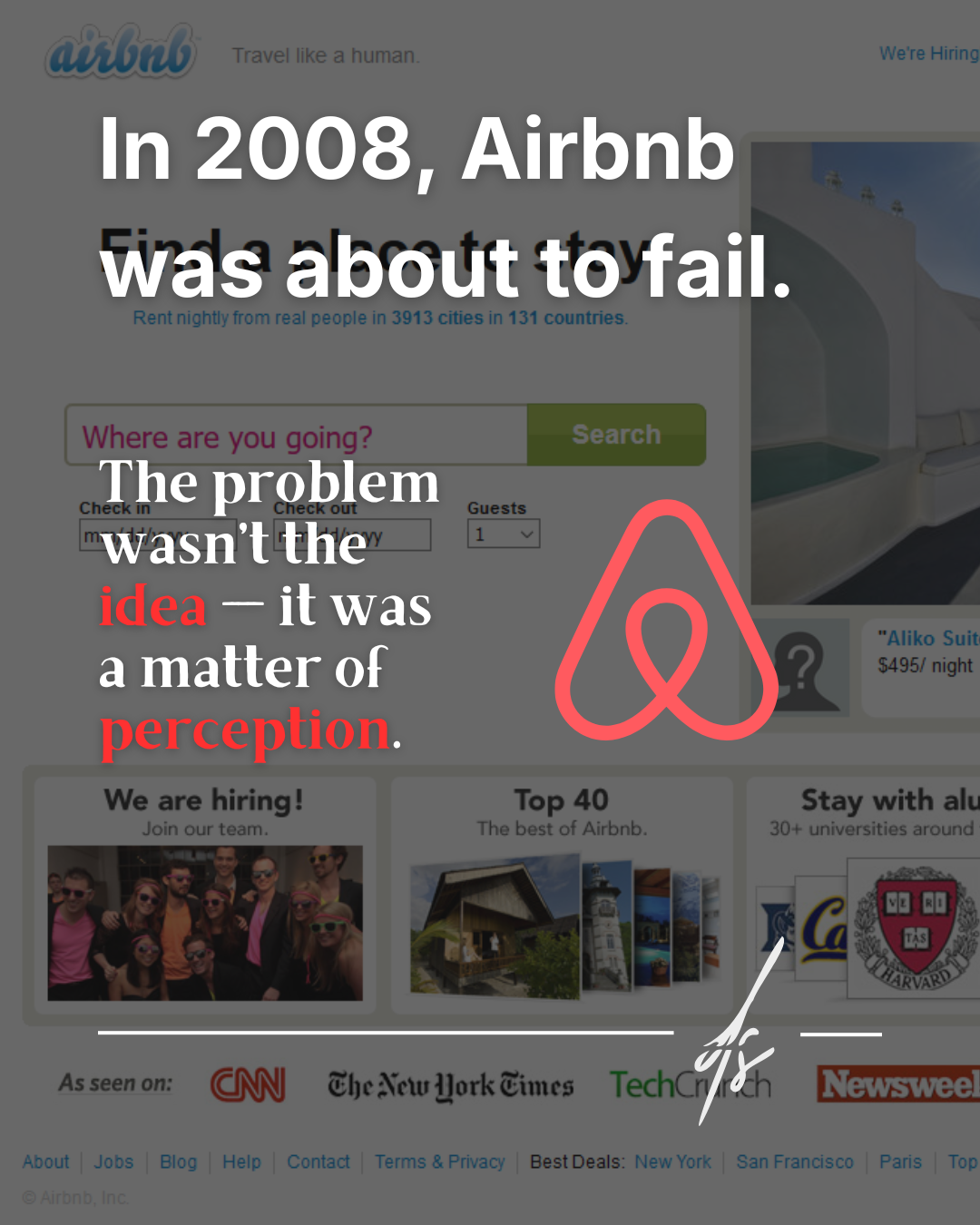
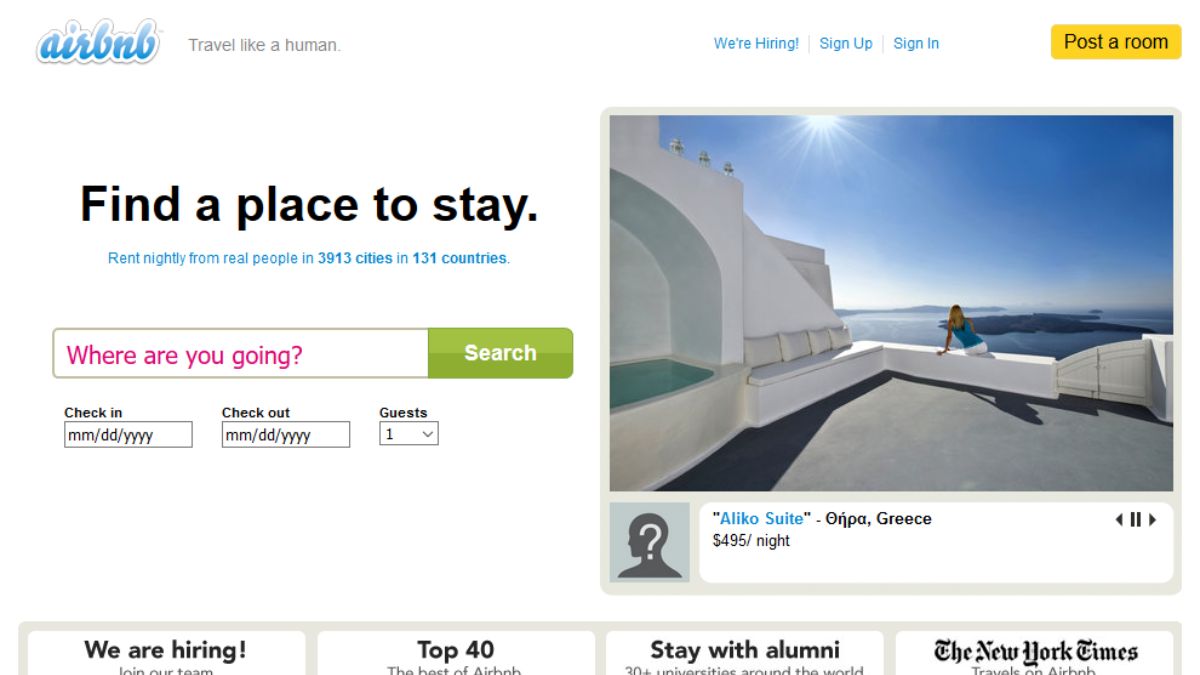
Behind the global success of Airbnb, in the platform's early months, lay a huge and seemingly unsolvable problem: nobody was booking. And the fault wasn't a software bug, but a total and understandable lack of trust from the users.
The problem: the 2008 crisis and distrust
It was 2008, and the platform was struggling terribly to take off. Founders Brian Chesky and Joe Gebbia were bringing in barely $200 a week, hardly enough to survive. Analyzing user behavior in New York (their primary market at the time), they noticed a disastrous pattern.
The photos of the listings uploaded by hosts were almost entirely amateurish, dark, blurry, and taken with old flip phones. The question they asked themselves was as simple as it was brutal: who would ever trust paying to sleep in a stranger's house when it looks like this?

The insight and taking action
The real obstacle was not technical; it was entirely related to the perception and User Experience of those seeking accommodation. Supported by the Y Combinator incubator and the famous investor Paul Graham, who coined the mantra "Do things that don't scale" for them, they made a drastic decision.
Instead of hiding in the office writing new code or perfecting the search algorithm, the two founders rented a high-quality professional camera, booked a flight to New York, and physically knocked on the doors of their first hosts. They personally took bright, spacious, and welcoming photographs of the apartments.
The result: trust generates revenue
The results of this "unscalable" action were astonishing. By simply replacing the amateur photos with high-resolution professional ones, bookings and revenue doubled in just a few weeks. This event marked the definitive turning point for the company, which shortly after launched a global program to send professional photographers to hosts' homes worldwide.

Visual Design is a business function
This historical story leaves us with a detail of fundamental importance, especially when designing an e-commerce site or a service portal: visual quality is not mere "aesthetics," it is a true business function.
Users, in 2008 just like today, were not buying Airbnb's software or interface; they were buying the visual experience of a place where they could imagine themselves staying, relaxing, and feeling safe. Aesthetics generate authority. If what you sell doesn't look reliable and well-crafted from the very first glance, no perfect code and no artificial intelligence algorithm will ever save you from failure.